
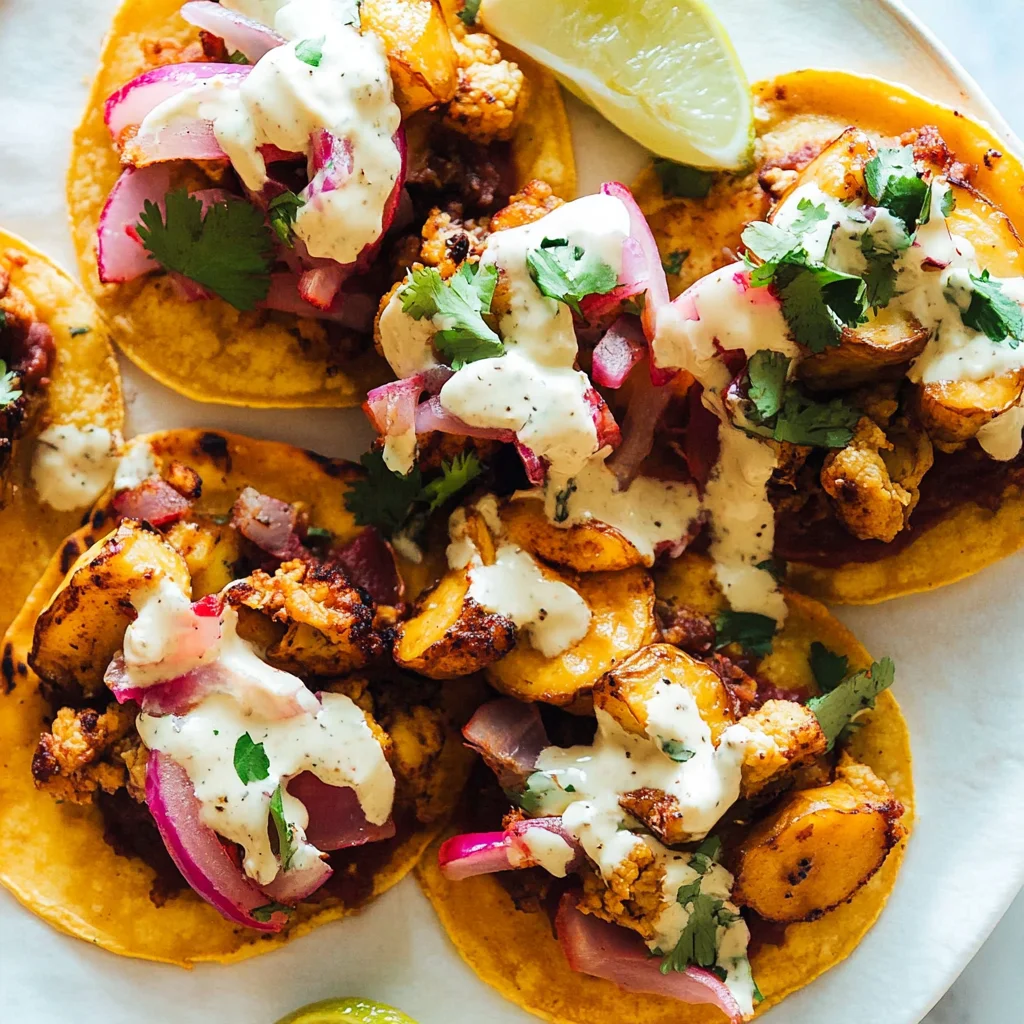
Welcome to our Vegetarian Recipes Archives! Today, we’re excited to share a vibrant and flavorful dish that captures the essence of spring—Vegetarian Pasta Primavera. This delightful pasta dish is bursting with fresh vegetables, making it not only a feast for the eyes but also a wholesome meal for your body. Perfect for a quick weeknight dinner or an impressive dish for guests, this recipe highlights the natural flavors of seasonal produce, combined with the comfort of al dente pasta. Whether you’re a seasoned vegetarian or just looking to incorporate more plant-based meals into your diet, this recipe is sure to please.
Why You’ll Love This Recipe
If you’re searching for a dish that celebrates the bounty of fresh vegetables, look no further than Vegetarian Pasta Primavera. This recipe is not only delicious but also incredibly versatile. You can easily customize it to suit your preferences or what you have on hand. Here are a few reasons why this dish will become a favorite in your household:
- Colorful and Nutritious: Featuring a rainbow of vegetables such as bell peppers, zucchini, cherry tomatoes, broccoli, and asparagus, this pasta primavera is a visual delight that provides essential vitamins and minerals.
- Quick and Easy: With a cooking time of around 30 minutes, this meal is perfect for busy weeknights or when you want something delicious without spending hours in the kitchen.
- Flavorful and Satisfying: The combination of sautéed vegetables with garlic and herbs creates a fragrant dish that is satisfying without being heavy.
- Customizable: Feel free to swap out vegetables based on your preferences or seasonal availability. You can also add protein like chickpeas or tofu for an extra boost.
- Perfect for Meal Prep: This dish keeps well, making it a great option for meal prep. You can make a large batch and enjoy it throughout the week.
Why You Should Try This Recipe
Incorporating more vegetarian meals into your diet can offer numerous health benefits. This Vegetarian Pasta Primavera not only showcases the fresh flavors of vegetables but also provides a balanced meal option that is lower in calories and saturated fat compared to meat dishes. Here’s why you should give it a try:
- Health Benefits: The vegetables used in this recipe are rich in antioxidants and nutrients that can help combat inflammation, promote heart health, and support overall well-being. For instance, broccoli is known for its cancer-fighting properties, while tomatoes are loaded with lycopene, which is beneficial for heart health.
- Support Local Farmers: By choosing seasonal vegetables, you are not only enjoying fresher produce but also supporting local farmers and reducing your carbon footprint. This dish is a great way to embrace sustainable eating.
- Family-Friendly: Kids and adults alike will love the bright colors and delicious flavors of this dish. It’s a great way to introduce children to a variety of vegetables without overwhelming them.
- Dietary Flexibility: This dish can easily be adapted for various dietary needs. Whether you’re gluten-free, vegan, or simply looking for a healthier meal, Vegetarian Pasta Primavera can be tailored to fit your lifestyle.
Ingredients and Utensils Needed
To create this delicious Vegetarian Pasta Primavera, you will need the following ingredients and utensils:
Ingredients
- 8 oz fettuccine or pasta of choice
- 2 tablespoons olive oil
- 1 small onion, diced
- 2 cloves garlic, minced
- 1 bell pepper, sliced (any color)
- 1 zucchini, sliced
- 1 cup cherry tomatoes, halved
- 1 cup broccoli florets
- 1 cup asparagus, cut into 2-inch pieces
- Salt and pepper, to taste
- 1 teaspoon dried oregano
- 1 teaspoon dried basil
- Grated Parmesan cheese, for serving (optional)
- Fresh basil leaves, for garnish (optional)
Recommended Utensils
- Large Pot: For boiling the pasta.
- Large Skillet: To sauté the vegetables.
- Cutting Board: For chopping vegetables.
- Sharp Knife: Essential for easy vegetable prep.
- Measuring Cups and Spoons: To ensure accurate ingredient quantities.
- Serving Spoon: For tossing the pasta and vegetables together.
- Colander: For draining the pasta after cooking.
Detailed Recipe Steps
Now that you have your ingredients and utensils ready, let’s dive into the step-by-step instructions to create your Vegetarian Pasta Primavera. Follow these detailed steps for a perfect dish:
Step 1: Cook the Pasta
Begin by bringing a large pot of salted water to a boil. Add the fettuccine or pasta of your choice and cook according to the package instructions until al dente, usually about 8-10 minutes. Be sure to stir occasionally to prevent sticking. Once cooked, drain the pasta in a colander, but reserve about ½ cup of the pasta water for later use. Set the drained pasta aside.
Step 2: Sauté the Aromatics
In a large skillet, heat 2 tablespoons of olive oil over medium heat. Once the oil is hot, add the diced onion and minced garlic. Sauté for about 2-3 minutes, or until the onion becomes translucent and the garlic is fragrant. This step is crucial as it builds the base flavor of your dish.
Step 3: Add in the Vegetables
Next, add the sliced bell pepper, sliced zucchini, halved cherry tomatoes, broccoli florets, and cut asparagus to the skillet. Cook for approximately 5-7 minutes, stirring frequently, until the vegetables are tender but still vibrant in color. The goal is to retain some crunch while ensuring they are cooked through.
Step 4: Season the Vegetable Mixture
Once the vegetables are cooked, season the mixture with salt, pepper, dried oregano, and dried basil. Stir well to combine the flavors. Adjust the seasoning according to your taste preference.
Step 5: Combine Pasta and Vegetables
Now, add the drained pasta to the skillet with the sautéed vegetables. Toss gently to combine, ensuring the pasta is well coated with the vegetable mixture. If the dish seems a little dry, add a splash of the reserved pasta water to help bring everything together. Heat through for an additional 2-3 minutes on low heat.
Step 6: Serve and Enjoy!
Once everything is heated through, remove the skillet from the heat. Serve the pasta primavera hot on individual plates or a large serving platter. For an extra touch, sprinkle grated Parmesan cheese on top and garnish with fresh basil leaves if desired. Enjoy your colorful and nutritious meal!
Tips and Variations
Here are some helpful tips and variations to enhance your Vegetarian Pasta Primavera experience:
- Vegetable Variations: Feel free to swap in other seasonal vegetables such as carrots, peas, or spinach based on your preference. The key is to use a mix of textures and flavors for an enjoyable dish.
- Protein Additions: For an extra protein boost, consider adding chickpeas, tofu, or even a sprinkle of nuts such as pine nuts or walnuts.
- Gluten-Free Option: Substitute regular pasta with gluten-free pasta made from rice or quinoa to accommodate a gluten-free diet.
- Vegan Version: Omit the Parmesan cheese and consider using a nutritional yeast sprinkle for a cheesy flavor without dairy.
- Common Mistakes to Avoid: Ensure you do not overcook the vegetables; they should be tender-crisp. Also, remember to reserve some pasta water, as it can help emulsify the sauce and give the dish a more cohesive texture.
Nutritional Values and Benefits
This Vegetarian Pasta Primavera is not only delicious but also packed with nutritional benefits. Here’s a breakdown of the approximate nutritional values per serving:
- Calories: 350-400
- Protein: 12-15g
- Fat: 10-12g
- Carbohydrates: 55-60g
The vegetables in this dish provide a wealth of nutrients:
- Broccoli: High in vitamins C and K, fiber, and antioxidants.
- Bell Peppers: Rich in vitamins A and C, they also provide a good amount of fiber.
- Zucchini: Low in calories, it’s a great source of hydration and nutrients like potassium.
- Tomatoes: Packed with lycopene, which is beneficial for heart health.
Frequently Asked Questions
What is Pasta Primavera?
Pasta Primavera is a pasta dish that features a variety of fresh vegetables sautéed with pasta, often seasoned with olive oil, garlic, and herbs. It’s a popular vegetarian option that celebrates the flavors of spring.
Can I make this recipe ahead of time?
Yes, you can prepare the pasta and sauté the vegetables ahead of time. Just store them separately in the fridge and combine them when you’re ready to serve. This dish reheats nicely!
Is Pasta Primavera healthy?
Yes, Pasta Primavera is a healthy option as it contains a variety of vegetables that provide essential nutrients while being lower in calories and fat than meat-based dishes.
What can I substitute for Parmesan cheese?
If you’re looking for a dairy-free option, you can use nutritional yeast for a cheesy flavor or simply omit the cheese altogether for a lighter dish.
Can I use frozen vegetables for this recipe?
Yes, you can use frozen vegetables if fresh ones are not available. Just make sure to thaw and drain them before adding to the skillet.
Conclusion
In conclusion, Vegetarian Pasta Primavera is a delightful and nutritious dish that showcases the best of fresh vegetables. With its vibrant colors, delicious flavors, and ease of preparation, it’s a must-try for anyone looking to explore plant-based meals. We hope you enjoyed this recipe and are inspired to create your own version at home. For more delicious recipes, check out easy pumpkin oatmeal cookies or creamy tomato lobster fettuccine for treats you will love! We’d love to hear your thoughts, so feel free to leave a comment or share your culinary creations!
Don’t forget to follow our Vegetarian Recipes Archives for more exciting meals and tips!
Check out our Pinterest for more delicious recipes!
Vegetarian Pasta Primavera
Ingredients
Equipment
Method
- Step 1: Begin by bringing a large pot of salted water to a boil. Add the fettuccine or pasta of your choice and cook according to the package instructions until al dente, usually about 8-10 minutes. Be sure to stir occasionally to prevent sticking. Once cooked, drain the pasta in a colander, but reserve about ½ cup of the pasta water for later use. Set the drained pasta aside.
- Step 2: In a large skillet, heat 2 tablespoons of olive oil over medium heat. Once the oil is hot, add the diced onion and minced garlic. Sauté for about 2-3 minutes, or until the onion becomes translucent and the garlic is fragrant.
- Step 3: Add the sliced bell pepper, sliced zucchini, halved cherry tomatoes, broccoli florets, and cut asparagus to the skillet. Cook for approximately 5-7 minutes, stirring frequently, until the vegetables are tender but still vibrant in color.
- Step 4: Once the vegetables are cooked, season the mixture with salt, pepper, dried oregano, and dried basil. Stir well to combine the flavors. Adjust the seasoning according to your taste preference.
- Step 5: Now, add the drained pasta to the skillet with the sautéed vegetables. Toss gently to combine, ensuring the pasta is well coated with the vegetable mixture. If the dish seems a little dry, add a splash of the reserved pasta water to help bring everything together. Heat through for an additional 2-3 minutes on low heat.
- Step 6: Once everything is heated through, remove the skillet from the heat. Serve the pasta primavera hot on individual plates or a large serving platter. For an extra touch, sprinkle grated Parmesan cheese on top and garnish with fresh basil leaves if desired. Enjoy your colorful and nutritious meal!